

This week, a payment notification is confusing millions of Americans — in a good way, and then immediately in a worrying one. Money is arriving by Venmo, Zelle, prepaid card, and paper check from something called the “Cash App Security Settlement Administrator,” and the first question almost everyone asks is the same: is this real, or is this a scam?
It is real. The Cash App security settlement — the $15 million class action known as Salinas v. Block, Inc. — is paying approved claims in October 2026, closing a legal saga that began with security failures disclosed in 2022 and 2023. Search interest in “cash app 15 million security settlement” has surged to 50,000+ searches with a 1,000% rise on Google Trends US, because a settlement most people forgot they filed for is suddenly depositing money into their accounts.
For fintech marketers, this moment is a masterclass hiding inside a news story. A Cash App security settlement payout is not the end of a trust crisis. It is the moment the crisis comes back to life — in search boxes, in group chats, in support queues, and in the feeds of every competitor waiting to poach unsettled customers. The brands that understand that dynamic will convert a legal liability into a retention asset. The brands that stay silent will watch a four-year-old breach do fresh damage in a single week.
Below, we lay out exactly what happened, why the October 2026 payout wave matters more than the original headlines, and seven trust marketing plays any financial brand can steal — whether or not Cash App is your product.
What Actually Happened: The Cash App $15 Million Security Settlement, Explained
Before the marketing lessons, the verified facts — because in a story this tangled, accuracy is itself a marketing asset.
The Cash App security settlement resolves a consolidated class action, Salinas, et al. v. Block, Inc. and Cash App Investing, LLC, in the U.S. District Court for the Northern District of California. Block is the parent company of Cash App. The plaintiffs alleged the company was negligent in protecting customer information, mishandled unauthorized transactions, and failed customers in its complaint and error-resolution processes. Block and Cash App Investing denied wrongdoing, and the $15 million fund was agreed without any admission of liability.
Two security incidents sit at the heart of the case. The first was disclosed in April 2022: Block reported that a former employee had downloaded Cash App Investing reports on December 10, 2021 — after their employment had ended. Those reports covered roughly 8.2 million current and former U.S. customers and included full names and brokerage account numbers; for some customers, the files also contained brokerage portfolio value, portfolio holdings, and one day of stock trading activity. Block was clear about what the reports did not contain: no usernames or passwords, no Social Security numbers, no dates of birth, no payment card or bank account details, and no access codes.
The second incident, disclosed in October 2023, involved unauthorized account access that plaintiffs linked to recycled phone numbers still tied to active accounts — a structural weakness in how accounts could be reached.
The Cash App security settlement class covered current and former Cash App and Cash App Investing customers who, between August 23, 2018, and August 20, 2024, had personal information or an account accessed without authorization, experienced unauthorized or fraudulent withdrawals or transfers, or ran into unresolved errors in a Cash App account or a linked financial account. Eligible claimants could seek up to $2,500 for documented out-of-pocket losses, compensation for lost time at $25 per hour for up to three hours, and additional recovery for documented fraudulent transaction losses.
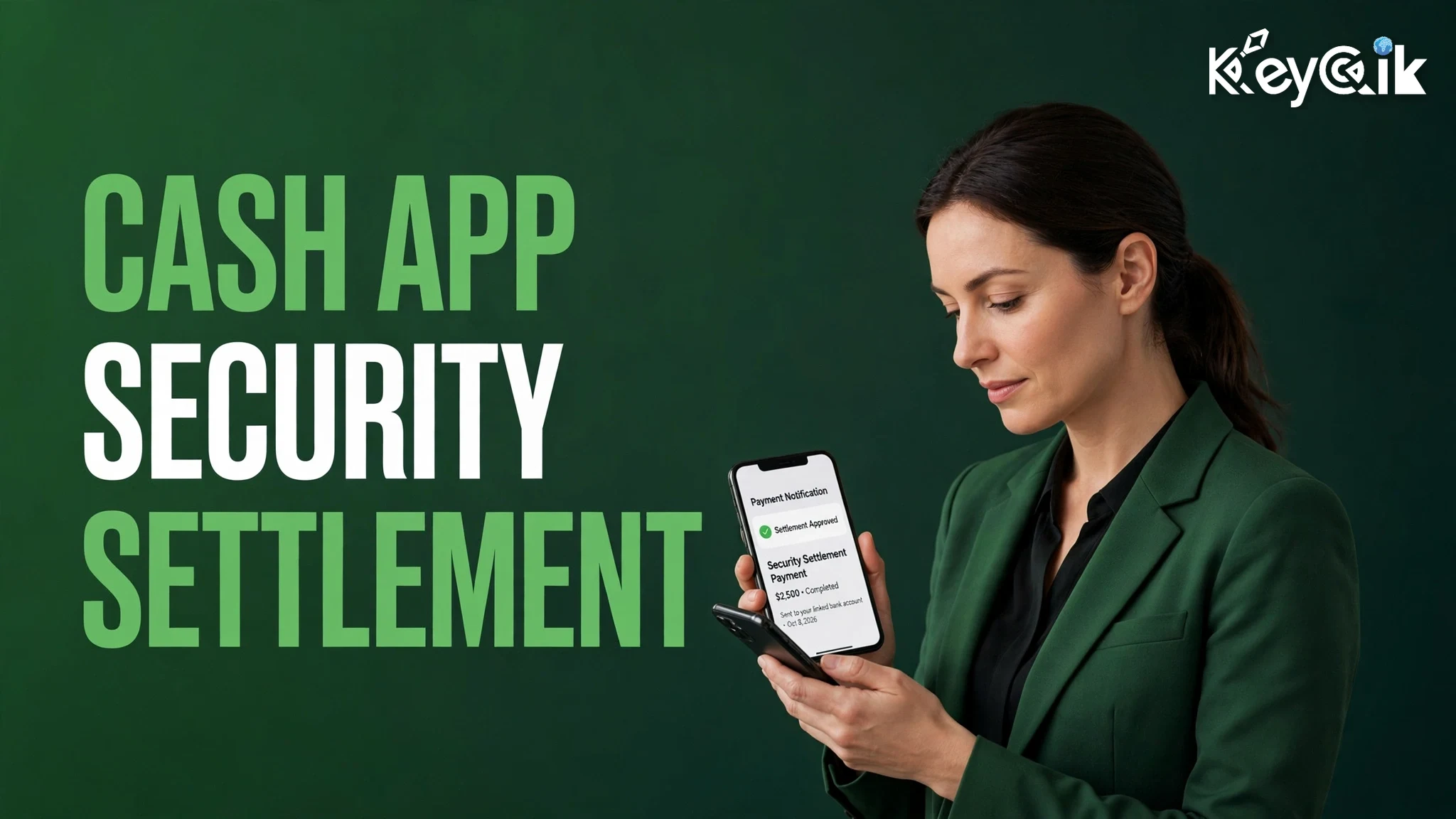
The timeline matters for marketers. The claim deadline closed on November 18, 2024. The court granted final approval on March 27, 2025. Electronic payments began in April 2025, checks followed, and after a lengthy deficiency-and-appeals review, the administrator confirmed the main distribution to approved claims would land in October 2026. The scale of the funnel is sobering: more than 667,000 claims were filed, and approximately 40,380 were approved, totaling roughly $5.6 million in documented-loss payments — with individual amounts varying widely, from under $100 to more than $6,000, depending on the losses each person proved.
That is the story now resurfacing in America’s search bars. And the marketing question is not what Cash App should have done in 2022. It is what every fintech brand should do when a settlement, a breach anniversary, or a payout wave drags an old failure back into the spotlight. Here are the seven plays.
Play 1: Treat the Payout Wave as a Second Launch — Because Your Customers Will
The play. The smartest move in the Cash App $15 million security settlement moment is recognizing that October 2026 is not an epilogue. It is a relaunch of the entire story, with worse framing: this time, the headline arriving in your customers’ pockets is literally a payment for a security failure. Brands that prepared content, support scripts, and search coverage for the payout window own the narrative. Brands that treated the settlement as a legal-department problem are Googling their own crisis alongside their customers.
Why it works. Search behavior around the Cash App security settlement follows a predictable spike pattern. When payments land, three audiences search at once: claimants verifying legitimacy (“is the Cash App settlement payment real”), affected users who never filed and now feel doubly burned, and prospects who encounter the story fresh and form a first impression from whatever ranks. Each audience has different intent, and each can be won or lost in a single results page. If your brand does not publish the clearest answer, a class-action aggregator, a Reddit thread, or a competitor’s comparison page will publish it for you.
Steal it. Build a settlement-and-trust hub the moment any legal or security milestone is scheduled: one authoritative explainer page, a short verification guide (“how to confirm a payment is genuinely from the settlement administrator”), and a status page you update as distribution progresses. Optimize the hub for the exact phrasing people type when money unexpectedly appears — that phrasing is always some version of “is this real.” If your search engine optimization program is not already tracking branded crisis queries alongside commercial ones, this is the gap to close first. The brands that ranked during the original breach news cycle earned links and authority that are still paying off in this second wave; the window to join them is measured in days, not quarters.
Play 2: Lead With Verification in the Cash App Security Settlement — Scam-Shield Content That Earns Trust
The play. Every legitimate settlement distribution creates a perfect camouflage for fraud. When real money arrives from an unfamiliar sender name, scammers flood the zone with lookalike texts, emails, and “claim assistance” offers — and settlement trackers are already warning that anyone offering to file or unlock a late Cash App claim for a fee is running a scam, because the November 2024 deadline has passed and no late claims exist. The brands publishing crisp “how to verify, how to stay safe” content are not doing charity. They are occupying the highest-trust position in the entire conversation.
Why it works. Verification content converts anxiety into gratitude at the exact moment a customer feels most vulnerable. A user who learns from your page that a genuine payment never requires a PIN, a sign-in code, or a fee — and who confirms their money is real because of your checklist — has just had a trust-building experience with your brand during a competitor’s crisis. Safety guidance also travels: it gets shared into family group chats, community groups, and local news segments in a way product marketing never does. In the Cash App security settlement cycle, the “is this real” query is the single most valuable search in fintech this month, and it belongs to whoever answers it best.
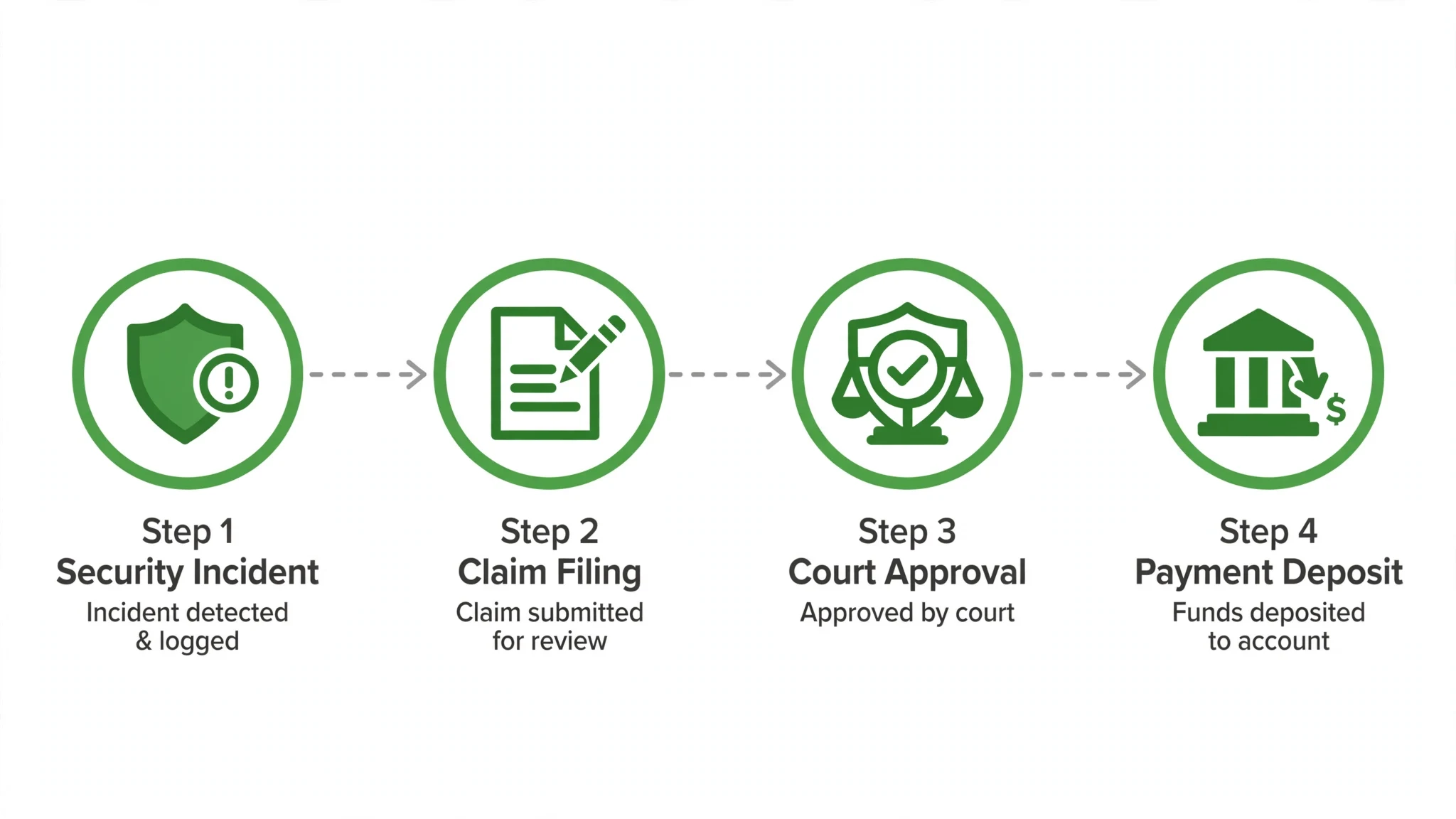
Steal it. Publish a one-page verification checklist in plain language: the exact sender name a legitimate payment shows, the official settlement website to confirm status, the three things a real administrator will never ask for, and what to do if a payment looks wrong. Keep it free of product pitches — the restraint is the message. Push the same checklist through email, in-app messaging, and a short vertical video, because the audience for scam warnings skews toward the channels where scams actually arrive. This is where social media marketing earns its keep in a crisis: a pinned, plain-spoken safety post will outperform a month of scheduled content, and it protects your own customers even when the settlement is not yours.
Play 3: Explain the Breach Like a Human — Specifics Beat Statements
The play. Re-read what Block disclosed in 2022 and notice the discipline in it: the company specified the date access occurred, what the reports contained, and — just as prominently — what they did not contain. No passwords. No Social Security numbers. No bank details. That “what was NOT taken” framing is why the Cash App story, damaging as it was, never became an identity-theft panic on the scale of breaches where the worst data types were exposed. In the settlement era, the same discipline applies: the brands explaining the 8.2 million figure, the 2021 insider access, and the 2023 account-access incident in accurate, bounded terms are defusing fear. The brands hiding behind “we take security seriously” are feeding it.
Why it works. Vagueness is the raw material of speculation, and speculation always assumes the worst version. Specific, verifiable detail does the opposite: it gives journalists, customers, and search engines a factual container that limits how far the story can mutate. There is a search dimension too. Explainer content that accurately separates the two incidents, the class period, and the settlement mechanics becomes the reference page other sites link to — and in a resurfacing story, the reference page accumulates authority with every new wave of coverage.
Steal it. Write your crisis explainer to an eighth-grade reading level, in short declarative sentences, with a “what happened / what it means for you / what happens next” structure. Name the dates, the data types, and the numbers you know — and say plainly what you do not know yet, with a commitment to update. Have a named human own the page, not a logo. If your brand ever faces its own version of this moment, that explainer — published early and updated visibly — will do more for retention than any advertising you could buy during the spike. For a related playbook on how search turns hostile during product-safety crises, our breakdown of the recall SEO playbook shows the same mechanics operating in consumer goods.
Play 4: Build the Claimant Journey — Even After the Deadline
The play. Here is the uncomfortable arithmetic of the Cash App security settlement: over 667,000 people filed claims, roughly 40,380 were approved, and the claim deadline has been closed since November 2024. That means hundreds of thousands of users are receiving one of three experiences this month — an approved payment, a denial, or the realization that they missed the window entirely. Each of those is a churn trigger unless a brand deliberately designs the journey around it. Cash App’s administrator communicated through an official settlement site, but the broader lesson belongs to every fintech: the post-claim experience is a marketing channel, and most brands abandon it to a legal notice.
Why it works. Denied and missed-deadline customers do not churn because of the money. The amounts, under $100 for many, are too small to switch banks over. They churn because the denial feels like a second dismissal — first the breach, then the bureaucracy. A journey that acknowledges the frustration, explains the deficiency-and-appeals process in human terms, and routes people to account-security upgrades converts a grievance into a save. Approved claimants need a journey too: a payment arriving with zero context reads as suspicious, while a payment preceded by a clear “your settlement payment is coming, here is how it will appear” message reads as competence.
Steal it. Map the three post-settlement audiences separately — approved, denied, never-filed — and write a different message for each. Approved: what the payment is, how it arrives, where to verify. Denied: why documentation standards existed, what the deficiency review checked, and the concrete security features now protecting the account. Never-filed: honest closure on the deadline, plus the forward-looking protections they benefit from now. Deliver each track through the channels claimants actually monitor during payout week. Handled this way, a settlement distribution becomes a retention campaign wearing legal clothing — and it is exactly the kind of lifecycle thinking behind strong financial services marketing when programs like Trump Accounts create millions of confused new account holders at once.

Play 5: Turn Security Into a Feature Story After the Cash App Security Settlement, Not a Footnote
The play. Block committed to strengthening its data security practices as part of the settlement — and that single clause is the most underexploited marketing asset in the entire affair. The 2021 incident was an insider-access failure: reports downloaded after employment ended. The 2023 incident involved accounts reachable through recycled phone numbers. Both point to specific, fixable, explainable weaknesses: offboarding access controls and authentication design. A fintech brand that translates its remediation into customer-facing feature stories — access reviews, sign-in protections, transaction alerts, human support escalation — gives the market a forward narrative to rank, share, and believe. A brand that buries remediation in a legal filing leaves the breach as the only story search can tell.
Why it works. After a security crisis, customers do not actually ask “were you breached.” Every large platform carries that risk. They ask “what is different now, and can I see it.” Visible, specific safeguards answer that question in a way assurances cannot. Security features also happen to be excellent content: they demo well on video, they screenshot well for social, they give support teams something constructive to say, and they create the comparison-table rows that prospects consult when choosing between payment apps. In a category where products are near-identical, “the app that shows you its security working” is a genuine differentiator.
Steal it. Inventory every remediation you have made since your last incident — or, preventively, the safeguards you already run — and turn the top five into short, concrete content pieces: what the control is, what attack it stops, and how a customer can confirm it is on. Publish them as a “security, visibly” series across your help center, product pages, and a 60-second video marketing walkthrough customers can watch before they decide whether to stay. Update the series when controls change, and date every update. The goal is a public record of improving defenses that a searcher can find in the same results page as the breach coverage — proof, ranked alongside the problem.
Play 6: Time Paid Media to the Settlement Calendar, Not Your Media Plan
The play. The Cash App security settlement has a calendar, and every date on it is a paid-media opportunity with built-in intent: the October 2026 distribution, the inevitable “where is my payment” support spike, the scam-warning news cycle, and the competitor-switching window that opens while 40,000 approved Cash App security claimants and hundreds of thousands of denied filers are actively thinking about whether their money app deserves them. Rival fintechs running “switching made simple” and “security you can see” campaigns into that intent — and Cash App itself defending its branded terms — are buying the cheapest qualified attention in the category this quarter.
Why it works. Paid search and paid social efficiency is mostly a timing business. A user searching “is cash app settlement payment real” or “cash app alternative” during payout week is displaying switching intent that would cost ten times more to manufacture with generic prospecting. Settlement-week audiences also self-segment: approved claimants feel resolved, denied claimants feel restless, and never-filers feel curious — three creative angles, three landing pages, one week of elevated intent. Miss the window and you are bidding on the same users later, colder, against everyone else’s always-on budgets.
Steal it. Build a milestone-triggered media kit before you need it: pre-written search copy for verification queries, a switching landing page that leads with security specifics rather than incentives, and a defensive branded-terms campaign that routes crisis searches to your explainer hub instead of aggregators. Set alerts on your category’s settlement, breach, and payout queries so the trigger is a search spike, not a meeting. Discipline matters as much as speed: never imply a competitor’s customers were harmed in ways the record does not support, and never market against an active fraud wave in a tone that profits from fear. The paid advertising teams that treat legal and security calendars the way retailers treat holiday calendars will consistently buy attention before it gets expensive.
Play 7: Measure Trust Like a Revenue Metric in the Cash App Security Settlement Era — Because It Is One
The play. The deepest lesson of the Cash App security settlement is hiding in that funnel: 667,000 claims filed, about 40,380 approved. Strip away the legal context and that is a measurement of something marketers rarely quantify — how many customers cared enough about a security failure to complete paperwork over it. Settlement claims, breach-related support contacts, security-page visits, and “is this real” searches are trust telemetry. The fintech brands instrumenting that telemetry — tracking it through the payout window and tying it to churn, reactivation, and support cost — are managing trust as an asset with a balance. The rest are managing it as a mood.
Why it works. What gets measured gets staffed. When trust signals live in a dashboard next to acquisition cost and retention, the explainer hub gets updated, the verification checklist gets promoted, and the remediation story gets told — because someone owns the number. There is also a compounding search effect: trust content published during each settlement milestone earns links and rankings that persist, so the next resurfacing — an anniversary story, a related regulatory action, a fresh payout round — starts from a stronger position. Our analysis of the Ted Lasso brand phenomenon makes the parallel point for entertainment brands: equity compounds when every wave of attention lands on owned, consistent storytelling.
Steal it. Stand up a simple trust dashboard this quarter: branded crisis-query volume, security-content traffic and engagement, support contacts tagged to security concerns, claim-or-complaint completion rates, and churn among incident-affected cohorts versus baseline. Review it on the same cadence as your revenue dashboard, and assign an owner. Then close the loop: every metric that spikes during a payout or news window gets a content response within 48 hours, not next quarter. Trust is not rebuilt by a single apology tour. It is rebuilt by a system that notices, responds, and proves it — visibly, repeatedly, and on the record.
What to Avoid: The Settlement Marketing Sins
A short cautionary list, because this genre of moment punishes sloppy marketing faster than almost any other:
Never profit-ghoul a fraud wave. Scams exploiting the Cash App security settlement are active right now, including offers to “unlock” late claims that cannot exist. Marketing that blurs the line — urgency-bait creative, lookalike sender names, fee-to-claim funnels — will be screenshotted, fact-checked, and remembered. Educate or be silent; there is no third option that ends well.
Never overstate the Cash App security settlement’s meaning. The $15 million fund resolved litigation without any admission of liability, and individual payments reflect documented losses, not a per-person verdict on harm. Content that inflates the numbers, invents eligibility, or promises outcomes the administrator has not announced creates legal exposure and destroys the exact credibility you are trying to build. Describe the mechanics; skip the melodrama.
Never let legal write the customer experience alone. Compliance review is essential — claims about security practices, settlement terms, and eligibility must be accurate. But a notice that is only legally safe and humanly unreadable fails at its actual job. Pair every required disclosure with a plain-language layer customers can act on.
Never go quiet after the spike. The payout wave will fade from search within weeks, and that is precisely when the remediation story, the security feature series, and the trust dashboard earn their keep. Silence after a crisis reads as hoping people forget. A dated, improving public record reads as a brand that fixed something.
Never treat denied claimants as closed files. The largest audience in this entire settlement received no payment. They are also the most reachable, most motivated, and most likely to switch. A brand that only communicates with the 40,380 approved has abandoned the 600,000-person conversation that decides its reputation.
The Playbook, Summarized
The Cash App security settlement is two stories at once. Legally, it is the October 2026 distribution of a $15 million fund resolving claims from security incidents disclosed in 2022 and 2023 — 40,380 approved claims, payments arriving by Venmo, Zelle, prepaid card, and check, and a closed deadline that no one can reopen. As marketing, it is proof that trust crises do not end when the headlines do. They hibernate, and they wake up on a schedule written by courts, administrators, and payout calendars that smart brands can read in advance.
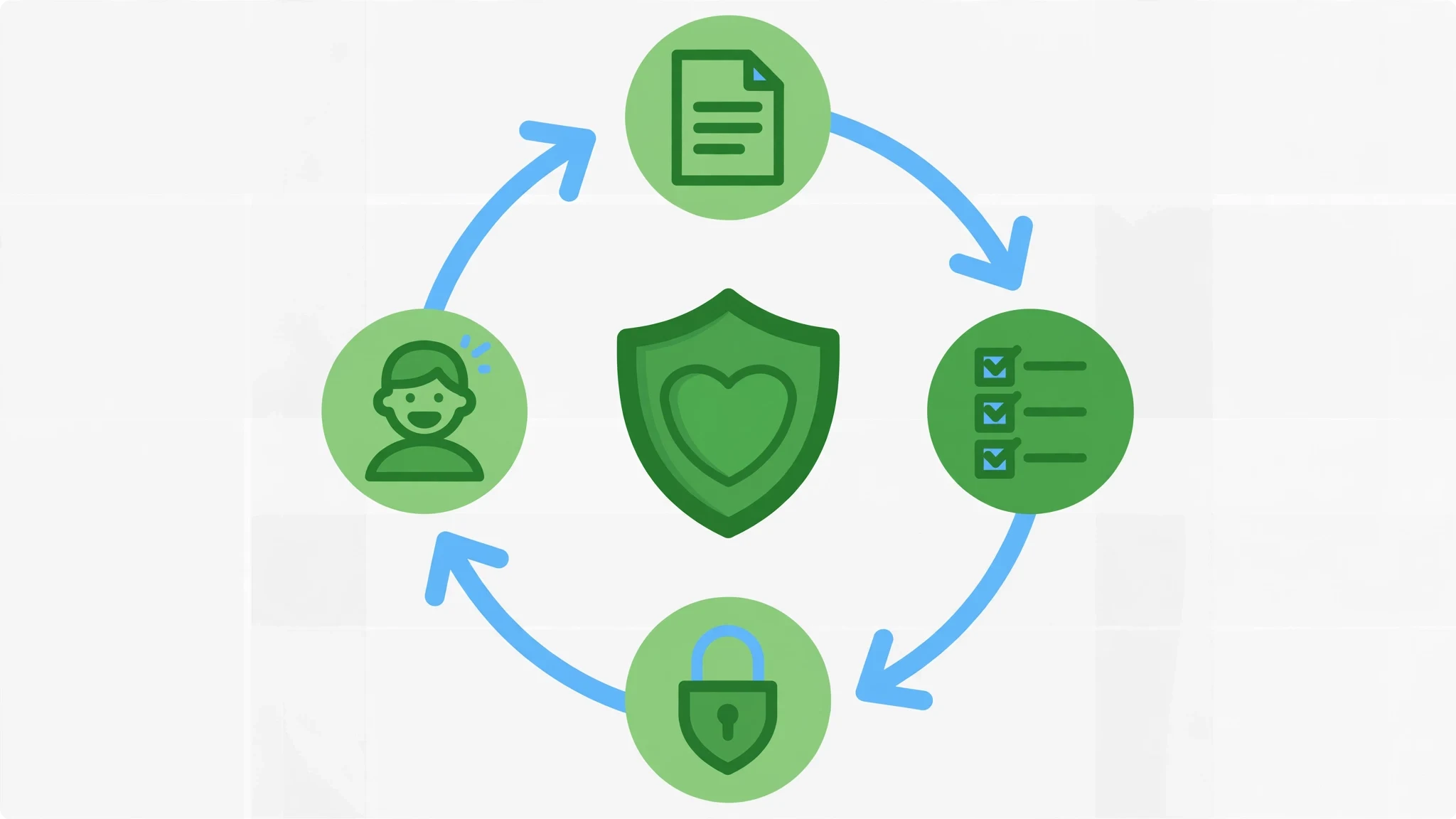
The seven Cash App security settlement plays stack into one system: treat the payout as a second launch, lead with scam-proof verification, explain the incident in bounded human specifics, design journeys for approved and denied audiences alike, turn remediation into visible product story, time paid media to the settlement calendar, and measure trust with the same seriousness as revenue. None of it requires being Cash App. All of it requires deciding, before your own resurfacing moment arrives, that trust is a channel you operate — not a statement you issue.
Money landing in a customer’s account should never be the moment they wonder whether your brand is real. Make sure it is the moment they are reminded why they trust it.
If you want trust, crisis, and lifecycle marketing built as one measured system — explainers that rank, verification content that protects, and campaigns timed to the moments your market is actually paying attention — KKeyQik builds fintech and financial-services marketing programs designed for exactly these high-stakes windows. The payout wave is happening now; the brands prepared for it are the ones customers will find.
Sources: Settlement details via OpenClassActions settlement payment reporting and breach background via Engadget’s Cash App breach coverage.
Want to put this to work for your business? KKeyQik plans and delivers website copy, blog posts and other content for small businesses, with an in-house team available 24/7. See our content writing service or get a quote within 24 hours.
Frequently Asked Questions
The Cash App security settlement is a $15 million class-action fund in the case Salinas v. Block, Inc. and Cash App Investing, LLC. It resolved claims that customer information and accounts were accessed without authorization, that unauthorized transfers occurred, and that error-resolution complaints were mishandled. Block denied wrongdoing, and the settlement was agreed without an admission of liability.
Eligibility covered current and former Cash App or Cash App Investing customers who, between August 23, 2018, and August 20, 2024, had personal information or an account accessed without authorization, experienced unauthorized or fraudulent transfers, or had qualifying unresolved account errors. Receiving a payment required a timely, valid, and approved claim filed before the deadline.
No. The claim deadline closed on November 18, 2024, and late claims are not being accepted. Anyone offering to file, reopen, or unlock a late claim for a fee should be treated as a scam. People who already filed can check their status through the official settlement website, CashAppSecuritySettlement.com.
The settlement administrator confirmed distribution to approved claims in October 2026, following completion of the deficiency and appeals review. A federal court granted final approval on March 27, 2025. Payments are arriving in waves rather than all at once, so timing can vary from one approved claimant to another.
Approved claimants report payments by Venmo from the Cash App Security Settlement Administrator, by Zelle, on prepaid cards, and by paper check. There is no single flat amount: each payment reflects the losses that person documented, plus any share of remaining funds. Of more than 667,000 claims filed, approximately 40,380 were approved, so reported amounts range from under $100 to over $6,000.
It can be real if you filed an approved claim before the November 2024 deadline and the payment references the Salinas v. Block settlement. A genuine settlement payment never requires a fee, your Cash App PIN, a sign-in code, or your banking credentials. When in doubt, verify through the official settlement website rather than links in unexpected messages.
Block disclosed in April 2022 that a former employee had downloaded Cash App Investing reports in December 2021 covering about 8.2 million U.S. customers. The reports included full names and brokerage account numbers, and for some customers, portfolio value, holdings, and one day of trading activity. Block said the reports did not include passwords, Social Security numbers, payment card details, or bank account information. A separate October 2023 incident involved unauthorized account access.
Fintech brands should lead with verification: publish a plain-language guide showing how a legitimate payment appears, what the administrator will never ask for, and where to confirm status. Clear explainer content published during the payout window builds trust, reduces support confusion, and helps customers distinguish real payments from scams.
The core lessons are to treat a payout wave as a second launch of the story, explain incidents in specific and bounded terms, design separate journeys for approved, denied, and never-filed customers, turn security improvements into visible product stories, time paid media to settlement milestones, and track trust signals alongside revenue metrics.
Trust is rebuilt through a visible, improving record: accurate explainers, dated security updates, concrete safeguards customers can verify, scam-prevention guidance, and consistent follow-through after headlines fade. Brands that measure security-related search interest, support contacts, and affected-customer retention — and respond quickly when those signals spike — recover confidence faster than brands that rely on a single statement.