

Introduction
Imagine a family arriving at the gates of one of the most beloved theme parks in the world — kids dressed for Halloween, bags packed, a long-planned day ahead — only to be stopped by a sign that reads, in effect, “PARKS FULL.” No same-day entry. No exceptions. Turn around and go home. That is exactly what happened at Disneyland Paris on Saturday, October 3, 2026, and the fallout is still unfolding across search engines and social feeds. The Disneyland Paris capacity crisis is not just a travel story; it is a brand crisis management case study playing out in real time.
Google Trends US flagged “disneyland paris turns away visitors” as one of the fastest-rising searches in the country this morning — 50,000+ searches with a 1,000% spike, starting roughly 11 hours before this post was written. When a brand built on magic has to look thousands of customers in the eye and say “not today,” the marketing world should pay attention. Because the Disneyland Paris capacity crisis exposes a tension every growing business will eventually face: what happens when your marketing works too well and demand outruns your ability to deliver?
Here is the uncomfortable truth most marketers never plan for. We spend our careers engineering demand — SEO campaigns, social content, seasonal promotions, viral moments — and we almost never engineer for the day that demand arrives all at once. The Disneyland Paris capacity crisis is what the overflow looks like when it has nowhere to go. But hidden inside this weekend’s headlines are lessons any brand can use: how to communicate before the crowd does, how to design demand that can be managed, how to protect customer trust at the exact moment it is most fragile.
This post breaks down the seven most important brand crisis and demand-management lessons from the Disneyland Paris capacity crisis — and turns each one into a move your business can make this week. If you’d rather have a team that plans for demand surges the way it plans for growth, KKeyQik helps brands market with resilience built in.
What Happened: The Disneyland Paris Capacity Crisis, in Facts
Before the lessons, the verified facts — because the Disneyland Paris capacity crisis only teaches when the details are right:
The sell-out. On Saturday, October 3, 2026, both Disneyland Park and Disney Adventure World at Disneyland Paris reached maximum capacity. Guests arriving without dated tickets or confirmed advance reservations found capacity warning signs posted at the resort entrance and were turned away from same-day entry. The resort’s official availability calendar showed October 3 as unavailable for undated-ticket registration.
Who was affected — and who wasn’t. The restrictions were not a total closure. Guests holding valid dated tickets, confirmed advance registrations, or qualifying Disney Hotel packages were admitted under their own entry rules. The guests turned away were primarily walk-up visitors and holders of undated tickets or passes who had not registered a specific visit date in advance. Disneyland Paris requires undated-ticket holders to register online for a specific date, subject to capacity — and the resort’s own guidance warns that maximum capacity can prevent admission without valid advance access.
The context. The sell-out landed in the middle of the Disney Halloween Festival, which runs September 26 through November 1, 2026, featuring seasonal attractions, decorations, special character appearances, and Mickey’s Halloween Celebration at Disneyland Park. It was not an isolated incident: both parks also hit capacity on the festival’s opening day, September 26, and capacity signs were photographed at the entrance as early as September 13 (“PARKS FULL. Except with ticket and reservation,” shared by Disney fan account @Sami_Parks). On Halloween itself, October 31, Disneyland Park is scheduled to stay open until 11 PM with an enhanced program — costume-wearing permitted for guests of all ages — which makes it another date likely to sell out.
The structural cause. Reporting points to more than a seasonal spike. In March 2026, the resort’s second theme park reopened under a new identity — Disney Adventure World — debuting the World of Frozen land alongside Adventure Way and Adventure Bay. That opening established a new demand baseline for the resort, meaning sell-outs are now likely to recur during any peak period, not just holidays. Analysts of the Disneyland Paris capacity crisis also cite the Halloween program, promotional campaigns, a broader travel rebound, and reduced operating capacity from ride refurbishments and adjusted park hours as converging drivers.
The information gap. Disneyland Paris does not publish a live attendance figure, so there is no official public headcount for October 3. Reporting on the Disneyland Paris capacity crisis has relied on the resort’s availability calendar, fan-platform alerts (Disney news outlet ED92 flagged the October 3 sell-out on social media), and on-site accounts. Live wait-time trackers on the sold-out day showed headline attractions under strain — reported waits of about 100 minutes for Frozen Ever After and roughly 85 minutes for Ratatouille.
That is the factual foundation. Now the seven lessons — because every one of these facts contains a decision your business will face at a smaller scale.
Lesson 1: Communicate Before the Crowd Does — The Disneyland Paris Capacity Crisis Rewards Proactive Brands
The most painful part of the Disneyland Paris capacity crisis was not the capacity limit itself. Capacity limits are safety rules; families understand safety rules. The painful part was the surprise: guests traveled to the gates and discovered the situation at the sign, after the journey, with kids in costume. Expectation is the real product in hospitality, and it broke at the entrance.
For your business, the equivalent surprise is everywhere: the product page that doesn’t mention the wait time, the booking form that doesn’t warn about the two-week backlog, the service page that promises fast turnaround during the one month your team is slammed. The Disneyland Paris capacity crisis teaches a simple rule — information that arrives before the customer has to ask is communication; the same information delivered at the moment of disappointment is an excuse.
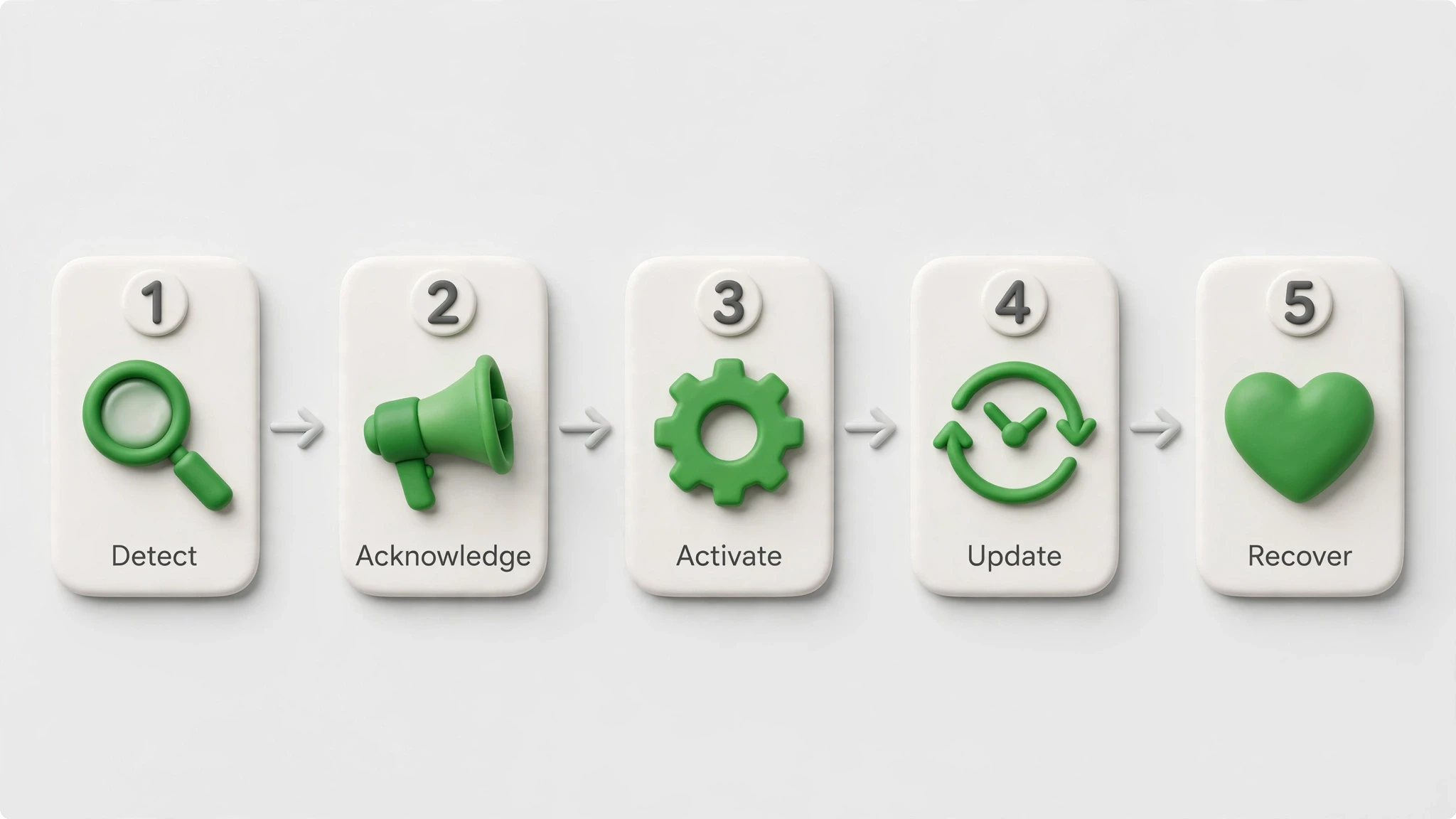
Proactive communication during demand surges has a playbook, and it is worth building before you need it:
Real-time status pages. Airlines publish live flight status; event venues publish door-time updates; ecommerce brands publish shipping-delay banners. If your demand ever concentrates in time — launch days, seasonal peaks, promotional windows — you need a visible, always-current status channel. A pinned social post, a banner on the booking page, a dedicated “today at our parks” style feed. In the Disneyland Paris capacity crisis, the resort’s own availability calendar existed but wasn’t the first thing many guests saw; fan accounts carried the news faster. Your status channel must be louder than the rumor mill.
Advance warnings, not apologies. The difference between “sell-outs are expected this weekend — register now to guarantee entry” (posted Thursday) and “we’re sorry, parks are full” (posted Saturday) is the difference between a brand that manages demand and a brand that reacts to it. Build the warning into your campaigns: every promotional push for a capacity-constrained offer should carry its own availability warning. Scarcity messaging isn’t just a sales tactic — it is an expectation-management tool.
Consistent spokesperson. In the Disneyland Paris capacity crisis, the most reassuring voice on October 3 came not from the resort but from ED92, a fan platform posting updates in a warm, human tone (“Parks are full today but don’t let that stop you from having a magical day”). That is a brand risk: when you don’t speak clearly and often, someone else becomes the voice of your story. During any surge, name one voice — one account, one page, one format — and keep it updated. Consistency builds the trust that a single viral complaint can erode. We explored this principle in depth in our breakdown of the Jason Kelce ESPN apology’s crisis communication lessons — speed plus one consistent, human message beats a perfect message delivered late.
Your move: Audit every customer journey your business offers for “surprise at the gate” moments — the point where a customer discovers a constraint you already knew about. For each one, write the proactive version of the message and decide where it will appear before the next peak hits. The Disneyland Paris capacity crisis proves that silence during a surge is never neutral; it always gets filled, and usually not by you.
Lesson 2: Design Demand to Be Managed, Not Just Grown
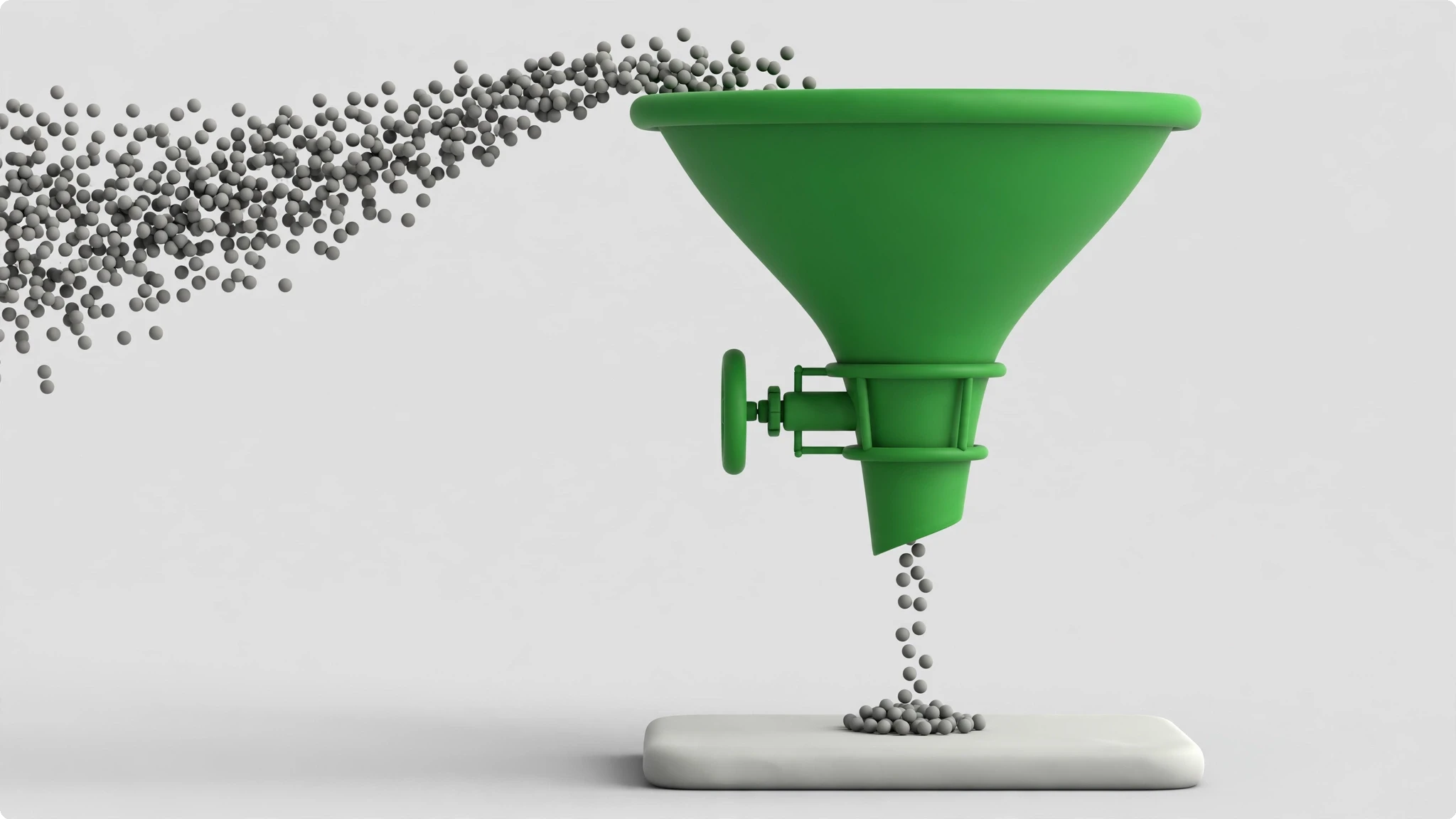
Marketing has a growth bias. We celebrate the campaign that doubles traffic, the launch that crashes the site, the video that goes viral. The Disneyland Paris capacity crisis is the other side of that coin: demand without a management system behind it becomes a liability. Disneyland Paris actually has a demand-management system — dated tickets, advance registration for undated passes, capacity thresholds — and the crisis is instructive precisely because the system worked but the marketing around it lagged. Guests either didn’t know the rules or discovered them too late.
Every capacity-constrained business needs demand-management infrastructure, and marketers — not just operations teams — should own the messaging layer of it:
Reservation and registration systems. If your capacity is finite, walk-ins are a risk you are choosing to accept. Date-specific booking, registration quotas, and advance-confirmation requirements turn unpredictable surges into plannable inventory. The Disneyland Paris capacity crisis shows the nuance: guests with dated tickets were fine; the pain concentrated among visitors who held valid admission but hadn’t locked a date. The lesson for SMBs: don’t just sell access — sell access to a specific slot, and make the confirmation unmissable.
Scarcity as honest signaling. “Only a few spots left” is overused as a sales trick, which is exactly why honest scarcity works when it is real. When demand genuinely exceeds supply, saying so plainly — on the product page, in the ad, in the confirmation email — protects trust far better than letting customers discover it at the door. The Disneyland Paris capacity crisis got worse because scarcity arrived as a gate sign rather than as a booking-page message.
Waitlists and staged releases. When you can’t serve everyone, a waitlist is a trust instrument. It tells the customer where they stand, when they might get in, and that the system is fair. Staged releases — new appointment slots opening weekly, tickets released in batches — spread demand across time instead of concentrating it in one crushing peak. For seasonal businesses, this is the difference between an October 3-style crush and a smooth autumn.
Dynamic scheduling over dynamic disappointment. Ride refurbishments and adjusted park hours reduced Disneyland Paris’s effective capacity during a demand peak — a supply contraction colliding with a demand surge. SMBs do the same thing accidentally: launching a promotion during a staffing gap, running ads while the warehouse is short-handed. Demand-management means coordinating the marketing calendar with the operations calendar. If capacity dips, marketing should throttle — or at least warn — before the crisis, not after.
Your move: Map your next three months of marketing activity against your actual capacity — staff, inventory, slots, server bandwidth, whatever limits you. Wherever demand could exceed supply, attach the management mechanism (registration, waitlist, staged release, warning banner) to the campaign brief now. The Disneyland Paris capacity crisis is what happens when the marketing plan and the capacity plan live in different departments.
Lesson 3: Treat the Gate as a Brand Moment
In hospitality, the entrance is where the brand promise meets reality. Disney’s entire brand is engineered anticipation — the castle reveal, the music, the cast members. When the entrance instead delivers a capacity sign and a turned-away family, the brand damage isn’t proportional to the inconvenience; it’s proportional to the gap between the promise and the experience. The Disneyland Paris capacity crisis is fundamentally a story about that gap.
Every business has a “gate”: the onboarding call, the first delivery, the signup confirmation, the consultation, the checkout page. These are the moments where your brand’s promise is tested against reality, and they deserve disproportionate marketing attention — because they are also the moments customers talk about most.
Engineer the worst case. Ask the uncomfortable question: what does our version of the “PARKS FULL” sign look like, and when would a customer meet it? Then design that moment. Pre-written messaging for capacity limits, a trained response for staff who deliver the news, an immediate alternative offered in the same breath as the disappointment. Disneyland Paris’s admission rules were technically sound; the delivery at the gate — a sign and a refusal — was the brand wound. The same rule delivered with warmth, a rebooking offer, and a clear explanation would have told a different story.
Staff the friction. The people who deliver bad news are your most important brand ambassadors during a crisis, and they are usually the least trained for it. Turned-away families met a sign; ideally they would have met a person with a plan. If your business has any in-person or phone touchpoint where capacity limits surface, script the recovery before you script the pitch. Empathy at the gate is worth more than advertising after the fact.
Measure the gap, not just the satisfaction. Most brands survey satisfaction after a completed experience. The customers who reveal your biggest brand risk are the ones who never got in. Exit surveys of turned-away customers — or, for online businesses, of visitors who abandoned a full booking flow — are a goldmine the Disneyland Paris capacity crisis suggests most brands ignore. You can’t fix what you don’t measure, and the gap between promise and experience only shows up in the people who fell into it.
Your move: Write down your brand’s three highest-anticipation moments and, for each, write the “gate” version where capacity or availability forces a refusal. Now write the recovery script for each refusal. The Disneyland Paris capacity crisis shows that the refusal itself is rarely the story — the recovery is.
Lesson 4: Social Listening Is Your Early-Warning System
The Disneyland Paris capacity crisis was reported by fan accounts before it was managed by the brand. @Sami_Parks photographed the “PARKS FULL” sign on September 13. ED92 posted the October 3 update that traveled across news outlets. Search interest spiked 1,000% overnight. By the time many casual observers noticed the story, social media had already written the first draft — and the first draft was frustration.
This is the modern crisis timeline: guests post in real time, fan communities amplify, news outlets pick it up, search spikes, and the brand responds last. The Disneyland Paris capacity crisis compresses into about 11 hours what used to take 11 days. For marketers, the lesson is structural, not tactical:
Monitor like it’s a product launch. If your business can experience a surge — positive or negative — your social listening should be running hardest exactly when the surge hits: weekends, holidays, launch days, viral moments. Set up keyword alerts for your brand plus “sold out,” “full,” “turned away,” “disappointed,” “refund,” and the equivalent terms in your industry. The Disneyland Paris capacity crisis was visible on social media days before it became a headline; the brand that watches those signals can act while the story is still small.
Respond where the conversation is. When ED92’s post became the authoritative update on the Disneyland Paris capacity crisis, the brand’s own channels were comparatively quiet. Your crisis response must live where the complaint lives — not on a press page nobody visits, but in the thread, the comments, the search results. That means having pre-approved response templates and a named team member authorized to post them, because waiting for legal and brand approval while a hashtag trends is how a Saturday morning problem becomes a Monday morning headline.
Feed the algorithm good information. When search interest spikes 1,000%, Google fills the vacuum with whatever exists. Brands that have invested in owned content about their policies — how ticketing works, what to know before you visit, availability guides — own that results page during a surge. Brands that haven’t are defined by the angriest article. The Disneyland Paris capacity crisis is a reminder that SEO is crisis infrastructure: the availability guide you publish in a calm month is the page that ranks when the storm hits.
Turn observers into allies. Not every social post during the Disneyland Paris capacity crisis was angry. Many were practical — fans warning other fans to book ahead, sharing workarounds, posting real-time updates. Those voices are a brand’s unpaid crisis team. Acknowledge them, amplify the helpful ones, give them accurate information to share. During a surge, your most credible spokespeople are the customers who got in and had a great day.
Your move: Before your next peak period, write the social playbook for three scenarios: (1) we’re at capacity, (2) we’re near capacity, (3) something went wrong at scale. Each playbook needs a monitoring keyword list, a response template, an authorized poster, and a posting cadence. The Disneyland Paris capacity crisis proves the conversation will happen with or without you — the only choice is whether you’re in it.
Lesson 5: Build Service Recovery for Scale, Not Just for Individuals
Traditional service recovery is designed for one disappointed customer at a time: the manager comes over, the dessert is on the house, the sincere apology. The Disneyland Paris capacity crisis breaks that model. When the disappointment is happening to thousands of people simultaneously, you can’t comp a dessert per family — you need recovery infrastructure that scales.
The good news: scalable recovery is mostly a design problem, and the components are straightforward:
Frictionless rebooking. The single most powerful recovery gesture for a turned-away customer is a credible path back in. A priority rebooking link, a guaranteed slot on a near-future date, a simple “we’ll hold your place” — these convert a lost day into a deferred one. The pain of the Disneyland Paris capacity crisis concentrated among undated-ticket holders who had to figure out the re-registration maze themselves. For your business: when capacity forces a refusal, the refusal should arrive bundled with the next available option, already half-booked.
Transparent communication, repeated. In a mass-disappointment event, customers don’t just need information once — they need it continuously, because new people keep arriving at the problem. A single morning post isn’t enough when families keep showing up at noon. Recovery communication must be persistent and repetitive: updated banners, refreshed posts, staff briefed with the same message every hour. Consistency is what separates a managed incident from a chaotic one.
Goodwill that scales. A personal apology doesn’t scale to thousands, but gestures do: extended validity on tickets, a perk on the rebooked visit, priority access for the inconvenience. The key constraint is fairness — mass gestures must feel universal, not random, or they create a second wave of resentment from the people who didn’t get them. Design the gesture once, apply it to everyone affected, and communicate it clearly. That’s the customer trust recovery playbook that works after any incident: acknowledge, make it right, and make it right for everyone.
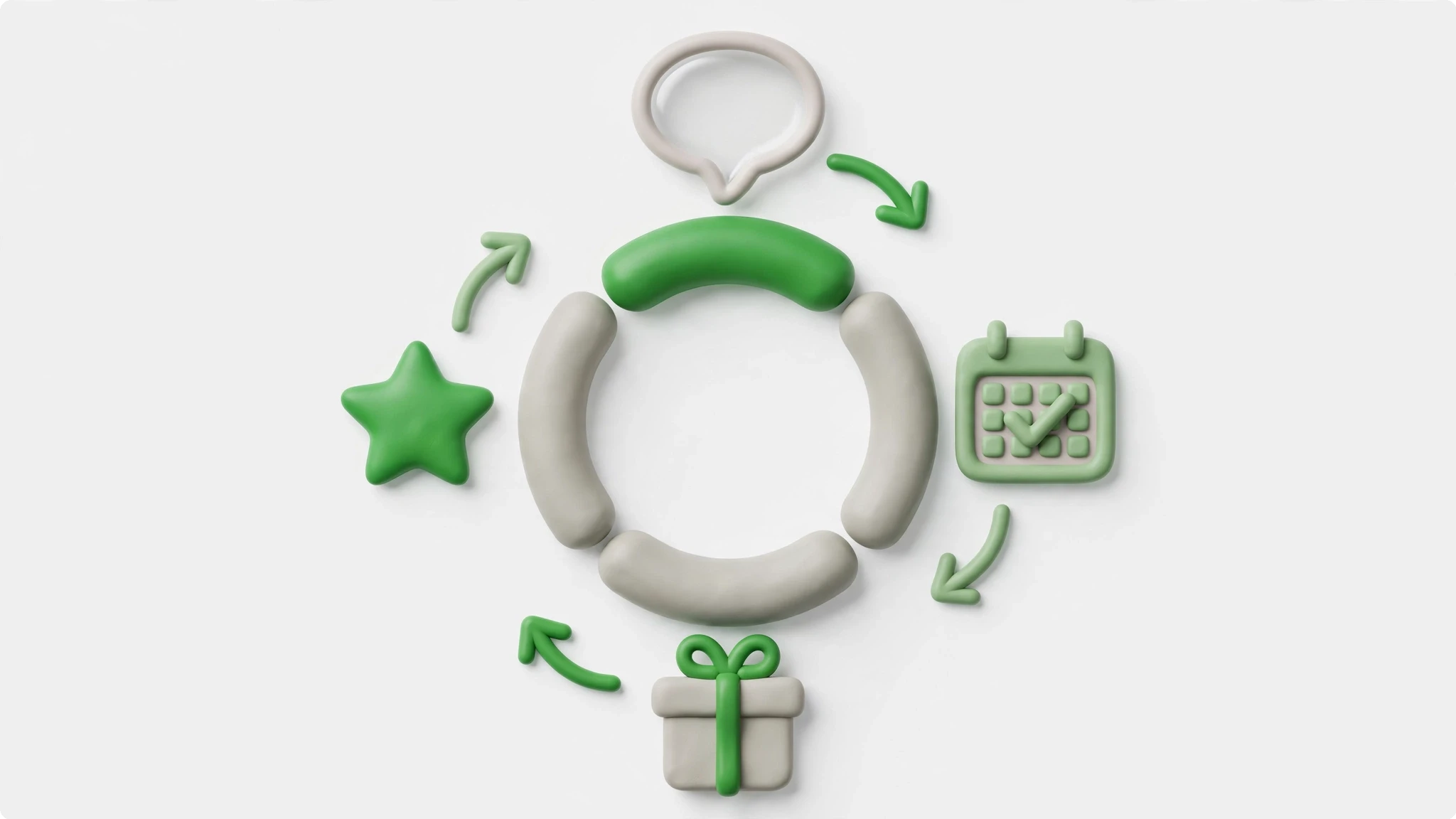
Document the recovery, not just the crisis. After the surge passes, publish the post-mortem in customer-friendly language: what happened, what you changed, how you’re preventing a repeat. This content does triple duty — it closes the loop for affected customers, it ranks for the surge’s search terms, and it becomes the trust asset the next incident can’t take away. The Disneyland Paris capacity crisis will eventually be followed by an October 31 Halloween date that may test the resort again; the brands that document their recoveries arrive at the next test with credibility banked.
Your move: Draft your mass-recovery template now, while things are calm: the message, the rebooking mechanism, the goodwill gesture, the communication cadence. The Disneyland Paris capacity crisis shows that recovery designed during the crisis always arrives late. Recovery designed in advance arrives with the apology.
Lesson 6: Protect the “Magic” — Your Brand Equity — When the Promise Meets Rejection
Disney sells magic. That’s not a tagline; it’s the product. Every ad, every film, every childhood memory compounds into a promise so strong that families cross oceans for it. And that is exactly why the Disneyland Paris capacity crisis is so dangerous for the brand: the stronger the promise, the harder the fall when reality contradicts it. A budget motel that turns you away is an inconvenience. Disneyland Paris turning you away is a broken promise.
Every strong brand carries this asymmetry. The more distinctive and emotional your positioning, the more each failure of delivery costs. And most brand-equity work — the advertising, the content, the storytelling — builds the promise taller without building the delivery to match. The Disneyland Paris capacity crisis is a warning to every brand that has invested heavily in promise and lightly in capacity:
Audit promise against delivery. List your brand’s top five marketing claims — the things your ads, website, and social content promise. Now list the operational reality behind each one during your busiest period. Any claim that wobbles under peak load is a brand-equity liability wearing a marketing costume. The Disneyland Paris capacity crisis centered on the implicit promise “come experience the magic” colliding with the operational reality “only if you registered weeks ago.” Your version might be “24-hour turnaround” during your busiest month or “personal attention” when your team is at 120%.
Consistency is the equity. Brand equity isn’t built by the best day; it’s built by the absence of bad days. One viral “turned away at the gate” story can undo months of positive content, because negative experiences are stickier and more shareable than positive ones. This is why the Disneyland Paris capacity crisis matters beyond one weekend — it’s the third capacity incident of the autumn (after September 13 and September 26), and a pattern erodes equity faster than an incident.
For your brand: track your failure rate on core promises as religiously as you track your conversion rate. As our Amazon FTC settlement brand trust case study showed, trust eventually shows up on the balance sheet either way — the only question is whether you invested in it or paid for its absence.
Segment your apologies. Not every affected customer needs the same message. The family that traveled internationally for a once-in-a-lifetime visit and the local annual passholder who can come back Tuesday experienced different levels of loss, and they will judge your recovery against different expectations. Mass communication handles the facts; segmented follow-up handles the feelings. Email the high-investment customers personally. Acknowledge the once-in-a-lifetime trips explicitly. Generic recovery for specific pain reads as indifference.
Your move: Pick your brand’s single most emotional promise — the one customers would feel betrayed by if it broke — and stress-test it against your worst realistic week. If it breaks, you have two honest options: strengthen the delivery or soften the promise. The Disneyland Paris capacity crisis proves that a third option — keeping the promise tall and hoping for the best — isn’t a strategy.
Lesson 7: Turn the Surge Into a Long-Term Trust Asset
Here is the counterintuitive coda to the Disneyland Paris capacity crisis: surging demand is good news wearing a scary costume. The resort’s underlying story is a success story — the new Disney Adventure World has created a genuine demand baseline, the Halloween Festival is a hit, the brand is more desired than it can currently accommodate. The brands that survive demand crises best are the ones that eventually reframe the incident as evidence of desirability — carefully, honestly, and only after the affected customers have been made whole.
The desirability reframe. “We were overwhelmed by demand” is a terrible apology and a great proof point — the difference is timing and audience. To the turned-away family, it’s salt in the wound. To the future customer reading your availability page next month, it’s social proof. Once recovery is complete, the honest version of the Disneyland Paris capacity crisis story — record interest, new lands driving unprecedented demand, here’s how we’ve expanded capacity and improved the booking experience — becomes marketing content. The key discipline: never reframe before you recover. Our Nvidia reputation management case study illustrated the same sequence — the fast, factual response came first; the trust narrative was built on top of it.
Invest the surge’s lessons visibly. Capacity crises reveal exactly where your systems break. The highest-ROI move after the Disneyland Paris capacity crisis isn’t a PR campaign — it’s visibly fixing what broke: clearer ticketing communication, better advance warnings, expanded registration reminders, improved real-time status. Then tell customers what changed. “Here’s what we learned and what we fixed” is the most underused content format in marketing, and it converts skeptics better than any testimonial.
Build the archive. Every crisis your brand weathers well becomes a trust asset for the next one — but only if you document it. The post-mortem, the customer recovery stories, the improved policies, the behind-the-scenes of how the team handled the surge: this is the content that proves your brand’s character under pressure. File it, publish the customer-safe version, and link it forward. The Disneyland Paris capacity crisis will be cited in hospitality marketing courses for years; your brand’s smaller crises can be your own case studies if you treat them that way.
Your move: After your next demand surge — good or bad — schedule a 30-minute debrief with one output: a one-page “what we learned and what changed” document. Publish the customer-facing version. The Disneyland Paris capacity crisis will fade from the headlines; the brands that banked its lessons will still be earning interest on them next Halloween.
The SMB Playbook: What Smaller Brands Can Steal This Week
You don’t run a theme park. But if you look closely, the Disneyland Paris capacity crisis maps onto problems small businesses face constantly — just at a different scale:
Restaurants and appointment businesses: Your Saturday-night rush is the Disneyland Paris capacity crisis in miniature. Dated reservations (not just “we’ll try to fit you in”), honest wait-time displays, a waitlist with real updates, and a recovery script for the party you can’t seat — these are the same demand-management tools, sized for a dining room.
Agencies and service businesses: Your capacity crisis is the month when three big projects land at once and delivery slips. The Disneyland Paris capacity crisis playbook applies directly: warn clients before the crunch (not after the deadline), throttle new-business marketing when the team is full, and build a waitlist or phased-start system so “we’re at capacity” sounds like demand strength rather than disorganization.
Ecommerce and product launches: The viral product that sells out in an hour creates the same expectation gap as a full theme park. Pre-launch communication about inventory limits, a real-time stock status page, staged restock releases, and a back-in-stock notification system turn the sold-out moment from a trust wound into a loyalty event.
Event organizers: Ticketing tiers, early-bird windows, clear “sold out” messaging on the event page before the day arrives, and a day-of communication plan for at-capacity arrivals — every lesson of the Disneyland Paris capacity crisis transfers directly.
The through-line: demand management is marketing work, not just operations work. The businesses that treat it that way — that write the warning before the surge, build the waitlist before the sell-out, and script the recovery before the refusal — are the ones whose brands get stronger when demand spikes instead of weaker.
Conclusion: Capacity Crises Are Coming to Every Industry
The Disneyland Paris capacity crisis will not be the last of its kind — for Disneyland Paris or for anyone else. The forces behind it are everywhere: experience-hungry consumers, social media that concentrates demand into viral moments, seasonal peaks that keep getting peakier, and marketing engines tuned relentlessly for growth. Every industry has its own version of a Saturday in October when too many people want in at once. The only question is whether your brand will meet that day with a plan or with a sign at the gate.
The seven lessons are worth keeping on one page: communicate before the crowd does; design demand to be managed, not just grown; treat the gate as a brand moment; make social listening your early-warning system; build service recovery for scale; protect your brand equity where the promise meets rejection; and turn the surge into a long-term trust asset. None of them requires a theme-park budget. All of them require something scarcer: the discipline to plan for success as carefully as you plan for growth.
The Disneyland Paris capacity crisis is, at its core, a success problem — a brand so desired that desire itself became the crisis. That’s the best kind of problem to have, but only if you’re ready for it. The brands that are ready don’t fear the surge. They’ve already written the warning, built the waitlist, trained the gate team, and drafted the recovery. When the crowd arrives, they’re not turning people away from the magic — they’re managing the magic so it survives the crowd.
Is your brand ready for its surge? If your demand ever outruns your delivery — a launch, a season, a viral moment — the time to build your crisis-communications and demand-management playbook is now, not at the gate. Talk to KKeyQik about making your brand surge-ready — from real-time communication systems and social listening to the content and SEO infrastructure that protects trust when demand spikes. And if you want the full growth system behind resilient marketing, explore our digital marketing services to see how demand generation and demand management work as one discipline.
Want to put this to work for your business? KKeyQik plans and delivers social media campaigns for small businesses, with an in-house team available 24/7. See our social media marketing service or get a quote within 24 hours.
Frequently Asked Questions
On Saturday, October 3, 2026, both Disneyland Park and Disney Adventure World at Disneyland Paris reached maximum capacity, and guests arriving without dated tickets or confirmed advance reservations were turned away from same-day entry. Capacity signs were posted at the resort entrance, and the resort's availability calendar showed the day as unavailable for undated-ticket registration. Guests with valid dated tickets or qualifying hotel packages were still admitted. It was the third capacity incident of the autumn, following similar sell-outs on September 13 and September 26.
Reporting points to a convergence of factors rather than a single cause. In March 2026, the resort's second park reopened as Disney Adventure World with the new World of Frozen land, creating a new, higher demand baseline. That structural demand collided with the Disney Halloween Festival (September 26–November 1), promotional campaigns, a broader travel rebound, and reduced operating capacity from ride refurbishments and adjusted park hours. The result was demand that exceeded what the parks could safely accommodate.
It is both — and that is the lesson. Operations sets the capacity limit, but marketing owns the expectations around it. The Disneyland Paris capacity crisis became a brand story because guests discovered the constraint at the gate instead of learning about it beforehand through proactive communication. When demand outruns delivery, the marketing team's job shifts from generating more demand to managing the demand that exists: honest scarcity messaging, real-time status updates, and recovery communication.
Demand management is the practice of shaping when, how, and how much demand arrives so it matches what a business can actually deliver. For a theme park, that means reservation systems, date-specific tickets, registration quotas, waitlists, and staged releases. For other businesses, it can mean appointment slots, phased product launches, shipping-delay banners, or pausing promotions during capacity dips. Good demand management protects customer trust; missing demand management turns success into a PR incident.
Communicate early, communicate where the conversation is happening, and keep communicating. The Disneyland Paris capacity crisis was reported by fan accounts before the brand's own channels carried the news, which let frustration write the first draft of the story. A strong response includes a single consistent spokesperson, a real-time status channel (pinned post, booking-page banner, dedicated feed), advance warnings before peak days rather than apologies after them, and pre-approved response templates so the team can post without waiting hours for approvals.
Service recovery is what a brand does to make things right after disappointing a customer. Traditionally it is designed for one customer at a time, but a capacity crisis disappoints thousands simultaneously — so the recovery has to be infrastructure, not improvisation. The key elements are frictionless rebooking (a credible path back in), transparent communication repeated continuously as new people encounter the problem, goodwill gestures applied fairly to everyone affected, and a published post-mortem afterward explaining what changed.
Social listening acts as an early-warning system. In the Disneyland Paris capacity crisis, social posts — including photos of the "PARKS FULL" sign weeks earlier — surfaced the problem before it became a national headline. Brands should monitor their name alongside terms like "sold out," "full," "turned away," and "disappointed," run listening hardest during known peak periods, and respond in the thread where the complaint lives rather than on a press page nobody visits. The conversation will happen with or without the brand; listening decides whether the brand gets a say.
Cautiously, yes — but only after affected customers have been made whole. Record demand is, underneath the incident, a desirability signal: it proves people want what the brand offers. Once recovery is complete, brands can honestly reframe the story around unprecedented interest and show what they fixed — clearer ticketing communication, better advance warnings, expanded capacity or smarter scheduling. The discipline is sequence: recover first, reframe later. Reframing before recovery reads as indifference.
The same dynamics apply at any scale. Restaurants face Saturday-night rushes; agencies face months when three big projects land at once; ecommerce brands face viral products selling out in an hour; event organizers face at-capacity doors. The small-business playbook mirrors the lessons: warn customers before the crunch instead of apologizing after it, use reservations and waitlists to turn surges into plannable inventory, script the recovery for the moment you have to say no, and coordinate the marketing calendar with actual capacity.
Preparation beats improvisation every time. Map the next few months of marketing activity against real capacity — staff, inventory, slots, bandwidth — and attach a management mechanism (registration, waitlist, staged release, warning banner) wherever demand could exceed supply. Write the crisis social playbook for three scenarios: at capacity, near capacity, and something gone wrong at scale. Audit the customer journey for "surprise at the gate" moments and write the proactive version of each message now. And draft the mass-recovery template — message, rebooking path, goodwill gesture, communication cadence — while things are calm.